SnowNovations.com
The best solutions for coping with winterRoof Rakes
What is a roof rake?
A roof rake is a moderately priced manual device designed to help you remove snow on your roof safely, without the need to use a ladder or risk injury climbing around on an icy roof.
Why roof rakes?
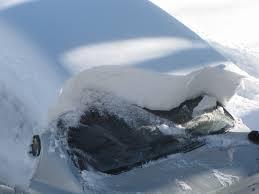 There's nothing more beautiful in winter than soft mountains of freshly-fallen snow. But when heavy snow piles up on your roof and stays there, it can weaken your roof, cause ice damming near your gutters, deforming your roof and potentially causing melting water to leak under the shingles, damaging ceilings and walls. Or the weight of the snow could even trigger a dangerous cave-in. The risk is greatest on flat roofs and roofs that don't have a steep pitch.
So how do you get rid of it? Unless you're an experienced professional, the last thing you should be doing is walking around on an icy roof yourself! You can:
- Hire someone to clear it off. We recommend a professional roofer. This is very dangerous work - ask for proof of insurance.
- Have a system of roof de-icing heating elements installed. This will add to your electricity bill and won't necessarily solve the problem.
- Use a roof rake to remove the snow safely from ground-level.
How to use a roof rake:
There are basically two different types of roof rakes. The simplest is like an angled rake with an approximately 20' handle. These are the least expensive, but they are physically demanding to use and a little risky, since you will be pulling the snow off the roof towards yourself.
The other type of roof rake is a blade and chute system, like the Avalanche, MinnSnowta, or GoPlus. They are a little more expensive, but safer and easier to use. You push the device forward and upwards to cut into the snow and loosen it, then a plastic or nylon chute or slide guides the loose snow safely to the ground, keeping the user clear of falling snow and ice. These devices are on wheels, which also makes them gentler on your roof.
Specific instructions vary from product to product. Be sure to read all accompanying product materials and safety precautions before using your roof rake.
Will a roof rake damage my roof?
A roof rake can cause minor damage if used incorrectly or if there is pre-existing damage to the roof, such as loose shingles or damaged flashing. Friction caused by the traditional "rake" style removers can remove tiny granules from shingles and cause roof wear. Avalanche makes a traditional-style roof rake with wheels that keeps the blade from coming in direct contact with the roof, thereby preventing roof damage.
Roof rake safety tips:
- Avoid power lines - be careful of any phone, cable or power lines that are near the section of roof you are working on.
- To avoid injury, stay clear of falling snow and beware of icicles - falling icicles can cause serious injury.
- Don't try to remove too much snow at once - go slowly, removing a little at a time.
- Falling snow can damage things below it - including shrubbery, furniture, vehicles, outdoor decor. You may want to take any moveable items beneath where you will be raking to a safer place.
Shop for Roof Rakes
What is Ice Damming?
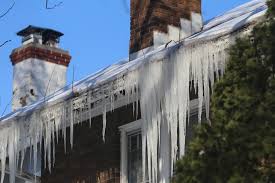
An ice dam is a ridge of ice that builds up along the edge of your roof, at the gutter line, trapping melting water behind it. Ice dams are caused by uneven temperatures on the roof's surface. Snow and ice melt from a warmer section at the top of the roof, only to re-freeze and become ice as the water reaches the roof's cooler edge. The pooling melt water behind this ice can back up and get under shingles, leaking into your attic and causing water damage to ceilings and walls.
The best prevention for an ice dam is to remove snow from the roof. Long term, increasing ceiling and attic insulation will cut down on heat leakage through the roof - a primary cause of non-uniform roof temperatures that create ice dams.
To learn more: http://www.extension.umn.edu/environment/housing-technology/moisture-management/ice-dams/